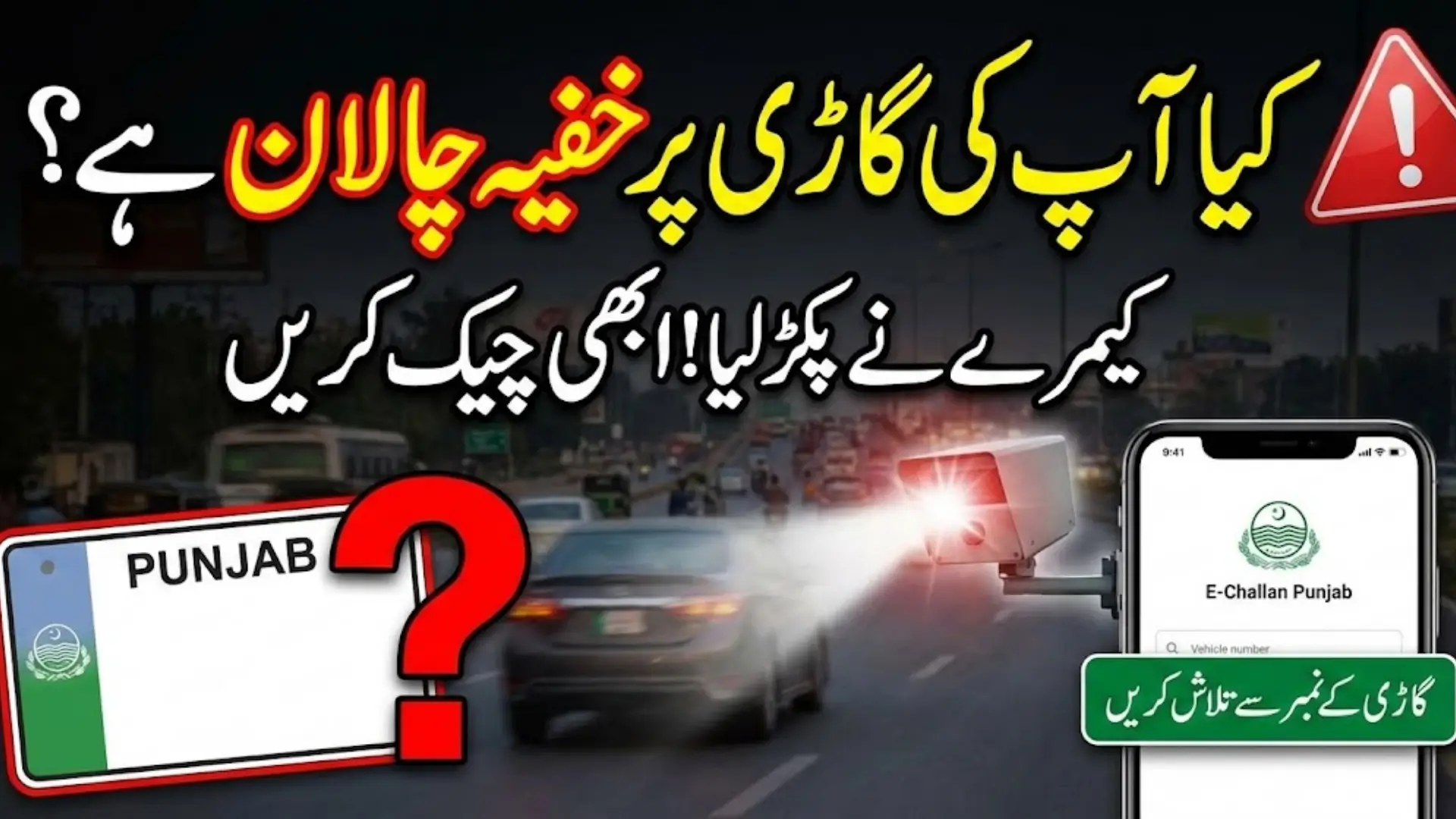
E Challan Check By Vehicle Number
E Challan Check By Vehicle Number Traffic challans in Punjab are no longer limited to roadside stops or paper slips. Over the past few years, I have personally observed how the e-challan system has quietly changed the way traffic rules are enforced in Pakistan. Whether you drive a bike, car, or commercial vehicle, your traffic record is now digitally connected with your vehicle number.

Today, checking traffic fines online has become simple, fast, and accessible for everyone. Even a person with basic mobile or internet knowledge can check their challan status from home. This article explains the complete method of e challan check by vehicle number, how violations are recorded, how payments work, and what every Pakistani driver should know to avoid unnecessary fines.
You Can Also Read: CM Punjab Hunarmand Program 2026 December
Introduction to Digital Traffic Fine Management in Punjab
Punjab’s traffic system has gone through a major transformation. Earlier, challans were issued manually, which often led to arguments, delays, and sometimes unfair practices. With the introduction of digital monitoring and online systems, traffic management has become more structured and transparent.
From my daily experience on city roads, drivers are now more careful at signals and speed zones. The reason is simple: cameras do not miss violations, and excuses do not work against digital evidence. The system is designed to encourage discipline rather than punishment.
Major improvements introduced include:
- Automated traffic monitoring
- Online challan verification
- Digital fine payment
- Centralized violation records
Understanding the Concept of Vehicle-Based Challan Tracking
Vehicle-based challan tracking means that traffic fines are linked directly to your vehicle registration number, not just the driver present at the time. Whenever a traffic violation occurs, the system captures the vehicle number and records the fine against it.
This approach works well in Pakistan because vehicles often change drivers within families. Even if someone else is driving your car, the challan will still appear under your vehicle record. That is why regular checking has become important.
Key points of vehicle-based tracking:
- No need for physical challan slips
- Challans remain stored in the system
- Easy access for vehicle owners
- Reduced chances of record loss
You Can Also Read: EOBI Status Check by CNIC Online 2026
Authorities Behind the Online Challan System
The e-challan system is not managed by a single office. Multiple government departments work together to ensure smooth operation. These authorities are responsible for monitoring roads, issuing challans, managing payments, and updating records.
What I have noticed is that centralized control has reduced confusion. Drivers no longer need to visit multiple offices. Everything is available on official online platforms.
Their responsibilities include:
- Traffic surveillance
- Challan issuance
- Payment integration
- Data security and record maintenance
How Traffic Violations Are Recorded Electronically
Many drivers are surprised when they receive a challan without being stopped. This happens due to smart traffic cameras installed at major roads, signals, and highways.
These cameras continuously monitor traffic and automatically capture violations. The footage is reviewed by the system before a challan is generated, which helps minimize mistakes.
Common violations recorded include:
- Over-speeding
- Signal jumping
- Lane violations
- Illegal turns
- Improper number plates
You Can Also Read: BISP 8171: Check Results Online via CNIC
Step-by-Step Method to Check E Challan Using Vehicle Number
Checking an e challan online is something every vehicle owner should know. I have personally seen people avoid late penalties simply because they checked their challan on time.
The process is simple:
- Open the official Punjab e-challan or ePay Punjab portal
- Choose the option to check traffic challan
- Enter your vehicle number carefully
- Submit the details
- View complete challan information on the screen
The system shows violation date, location, fine amount, and payment status.
Checking Traffic Fines Through Personal Safety Identification
For people who own more than one vehicle or drive family cars, PSID (Personal Safety ID) is very helpful. This ID connects multiple vehicles under one profile, making it easier to track all traffic fines in one place.
From experience, PSID checking saves time and avoids confusion, especially for households with multiple drivers.
Advantages of PSID checking:
- One ID for all vehicles
- Better record tracking
- Faster challan search
- Convenient payment management
You Can Also Read: 8171 Web Portal 2026 For Online Registration
City-Specific Online Challan Monitoring System
Large cities in Punjab have more advanced traffic monitoring systems. Lahore, Rawalpindi, and Faisalabad have extensive camera coverage, especially at busy intersections and main roads.
In such cities, challans usually appear online quickly because cameras are connected in real time. Drivers in urban areas should be more vigilant, as violations are recorded instantly.
Urban monitoring focuses on:
- High-traffic signals
- Speed-sensitive zones
- Accident-prone areas
Complete Guide to Online Payment of Traffic Fines
Paying traffic fines online has removed the need to stand in long queues or visit banks repeatedly. Once a challan appears, payment can be made digitally within minutes.
Available payment options include:
- Debit or credit cards
- Mobile wallets
- Online banking services
After successful payment, a digital receipt is generated. I always advise keeping a screenshot or downloaded copy for future reference.
What Happens After You Pay the E Challan
Many drivers worry whether their payment is properly updated. In most cases, the system updates automatically after payment.
Once the challan is paid:
- Status changes to paid
- Records are updated in the system
- No further action is required
Sometimes updates take a few hours, especially during high traffic on portals.
You Can Also Read: 8171 Web Portal Payment Status Check Rs. 13,500 BISP Payment
Common Issues Faced During Online Challan Check
Although the system works well, minor issues can occur. From what I have observed, most problems are due to user errors rather than system faults.
Common issues include:
- Wrong vehicle number entry
- Delayed challan display
- Temporary website downtime
- Payment confirmation delays
Careful data entry usually solves most problems.
Safety and Data Protection in Online Challan Systems
Data security is an important concern for Pakistani users. Official portals use secure systems to protect user information and payment details.
To stay safe:
- Use only official government portals
- Avoid unknown websites
- Never share card or wallet details
This ensures your personal information remains protected.
You Can Also Read: Apni Zameen Apna Ghar Online Apply Registration
Benefits of Checking Traffic Fines Online Instead of Offline
Online challan checking has clear advantages compared to traditional methods. It saves time, reduces stress, and improves transparency.
Online vs Traditional Challan Handling
| Feature | Online Challan System | Traditional Method |
|---|---|---|
| Time Required | Few minutes | Several hours |
| Payment Mode | Digital | Cash-based |
| Accessibility | Anytime, anywhere | Office hours only |
| Transparency | High | Limited |
Important Tips to Avoid Future Traffic Challans
Avoiding challans is always better than paying them. Small driving habits can make a big difference.
Simple tips include:
- Follow speed limits
- Stop at red signals
- Use proper lanes
- Keep number plates visible
- Follow traffic signs
You Can Also Read: Winter Holidays In Punjab 2025
Final Thoughts
From what I have seen on Punjab’s roads, the e-challan system has improved driving discipline. People are more aware that violations are recorded automatically, and fines cannot be ignored.
Checking traffic challans by vehicle number should become a regular habit for every driver. It helps avoid late penalties, legal issues, and unnecessary stress. If you drive in Punjab, staying informed and following traffic rules is not just smart — it is responsible citizenship